Instructional Connection to the Water Hub

Background: The
water hub is a reclamation system that takes sewage water or affluent water and
cleans it to use for other systems in industry that do not include human
consumption. There is another system that is very similar and is safe for
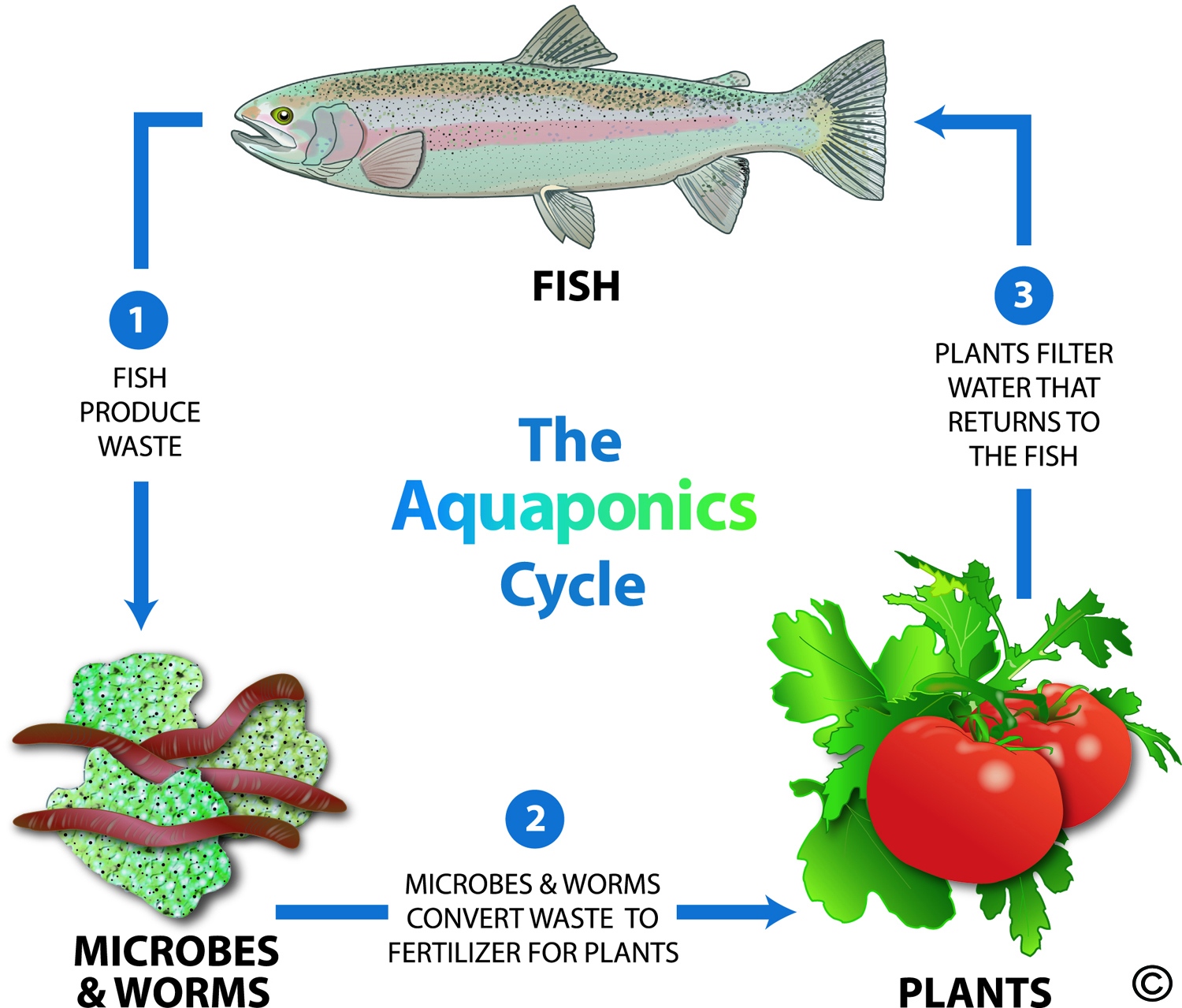
students to work with and build: an aquaponics system. An aquaponics system is
a system that utilizes both a hydroponic system and an aquaculture stem. The
aquaponics system like the reclamation system both clean affluent water. The
affluent water in an aquaponics system is provided by fish. The cleaning
process of the water via plants, microorganisms, and other media are also very
similar. The largest difference between the two systems is that the aquaponics
system is typically a closed system; whereas the reclamation system is an open
system. Another difference is that aquaponics is a system focused on providing
food for consumption both fish and plants; and the reclamation system is
focused on cleaning water for industrial use. Regardless of this difference for
students the conceptual understandings of the two systems processes are very
similar.
 |
| From http://www.theaquaponicsource.com/wp-content/uploads/NEW.AQS-Cycle-Icon.cmyk_.C.jpg |
Activity Title:
Simple Aquaponics
Time: 1 hr
Class Materials:
2 liter soda bottle (per group), 1 bag pebbles, 2 bags perlite, cheese cloth, rubber
bands dechlorinated water (or a bottle of dechlorinator), Fish (1 per group) (cheap
fish) , plants (1 per group) or seeds (please do not use plants with large
roots such as carrots or potatoes, additionally do not use tomatoes).
Per group: 2
liter soda bottle, a hand full of pebbles, 2 cups of perlite, 4 x 4 inch square
of cheese cloth, 1 rubber band, plant or seeds, access to water and
dechlorinator, and at least 1 fish.
Directions:
1 Cut the soda bottle into 2. It is important that
you keep this cut as straight as possible.
2 Place water in more than half way up the bottom
of the bottle. The option that does not contain the hole. This portion of the
bottle with house the fish. If using chlorinated water, add the
dechlorinator
now and let it sit.
3 While waiting for the water to
dechlorinate
place the top portion of the bottle upside down. Make sure that the mouth of
the piece is immersed in the water. If not, if you can add water please do so.
If it still does not reach the water, you may need to cut the bottom part of
the bottle again. Remove the water and cut the bottom half of the bottle a
little more or just enough for the mouth of the top to reach the water.
4 Take the rubberband and the cheese clothe and
attach the cheese clothe over the mouth of the top. This will keep small
particles from falling in the water of the fish housing.
5 Place the hand full of pebbles in the top.k
6 Place the
perlite on top of the pebbles.
7 If adding plants make sure that you clean as
much of the dirt off of the plants roots as possible. Dig a hole in the
perlite
and place the plant in the hole.
a.
If using seeds dig a hole and place the seeds in
the hole. The top will need water placed in it prior to adding the fish.
8 Now place the fish in the bottom of the bottle.
9 Place the top on the top of the fish housing.
Congratulations you have made a simple
aquaponics system.
The plants will clean the water. The perlite, pebbles, and
cheese cloth will serve as media to provide surfaces for microorganisms to
grow.
Now that you have built this simple system you can have
discussions with your students about the larger version of the water hub.
Have Fun STEMing!!!